Packaging today is more than just a necessity—it’s a key part of your brand and the experience you deliver to customers. Whether you’re running a growing business or a local shop, deciding between bulk orders and smaller quantities is a strategic choice that affects your costs, logistics, and operational flexibility. So when does it make sense to buy wholesale bags? And when should you stick with smaller, more flexible orders? Let’s explore the key considerations to help you make the best choice for your business.
1. Understanding the Basics: Bulk Orders vs. Small Quantities
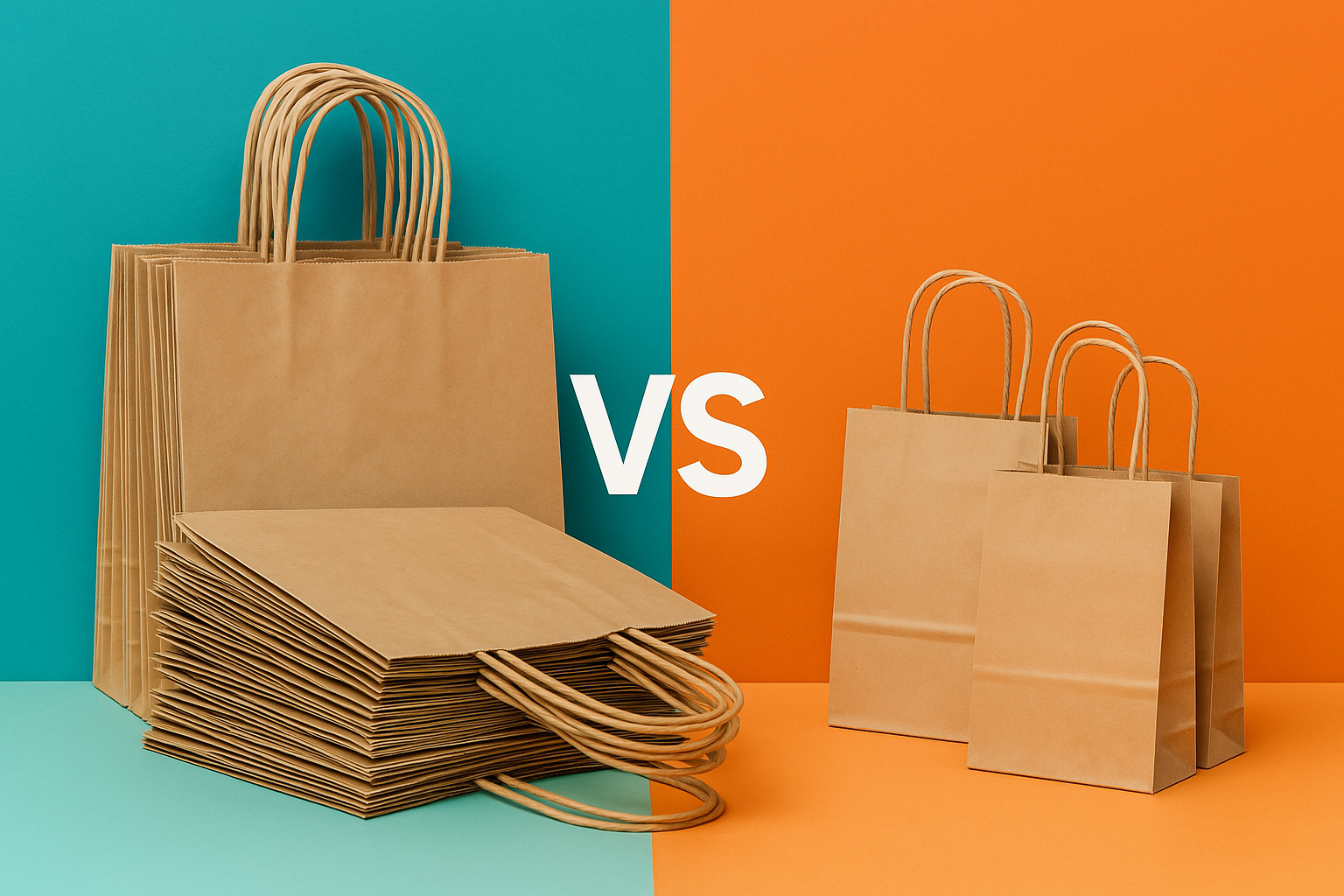
- Bulk orders: Buying large quantities of bags in a single order, typically at a reduced unit price. Ideal for businesses with consistent packaging needs.
- Small orders: Purchasing limited quantities on a regular or on-demand basis. Offers flexibility but comes at a higher per-unit cost.
2. The Benefits of Buying Wholesale Bags
- Lower Cost Per Unit One of the biggest advantages of bulk buying is cost efficiency. Suppliers typically offer tiered pricing, meaning the more you buy, the lower the price per bag. For businesses that use packaging regularly, these savings can significantly boost your bottom line.
- Brand Consistency Ordering in bulk keeps your bags consistent in size, materials, and design. This consistency boosts your professional image and helps customers quickly recognize your brand.
- Preparedness and Reliability Having ample packaging stock on hand helps you avoid last-minute emergencies, especially during busy seasons. Bulk orders are ideal for businesses that don’t want to rely on unpredictable lead times or potential supply chain delays.
3. The Downsides of Bulk Orders
- Higher Initial Costs Placing bulk orders often requires a large upfront payment. For startups or small businesses with tight cash flow, this can be a major financial hurdle.
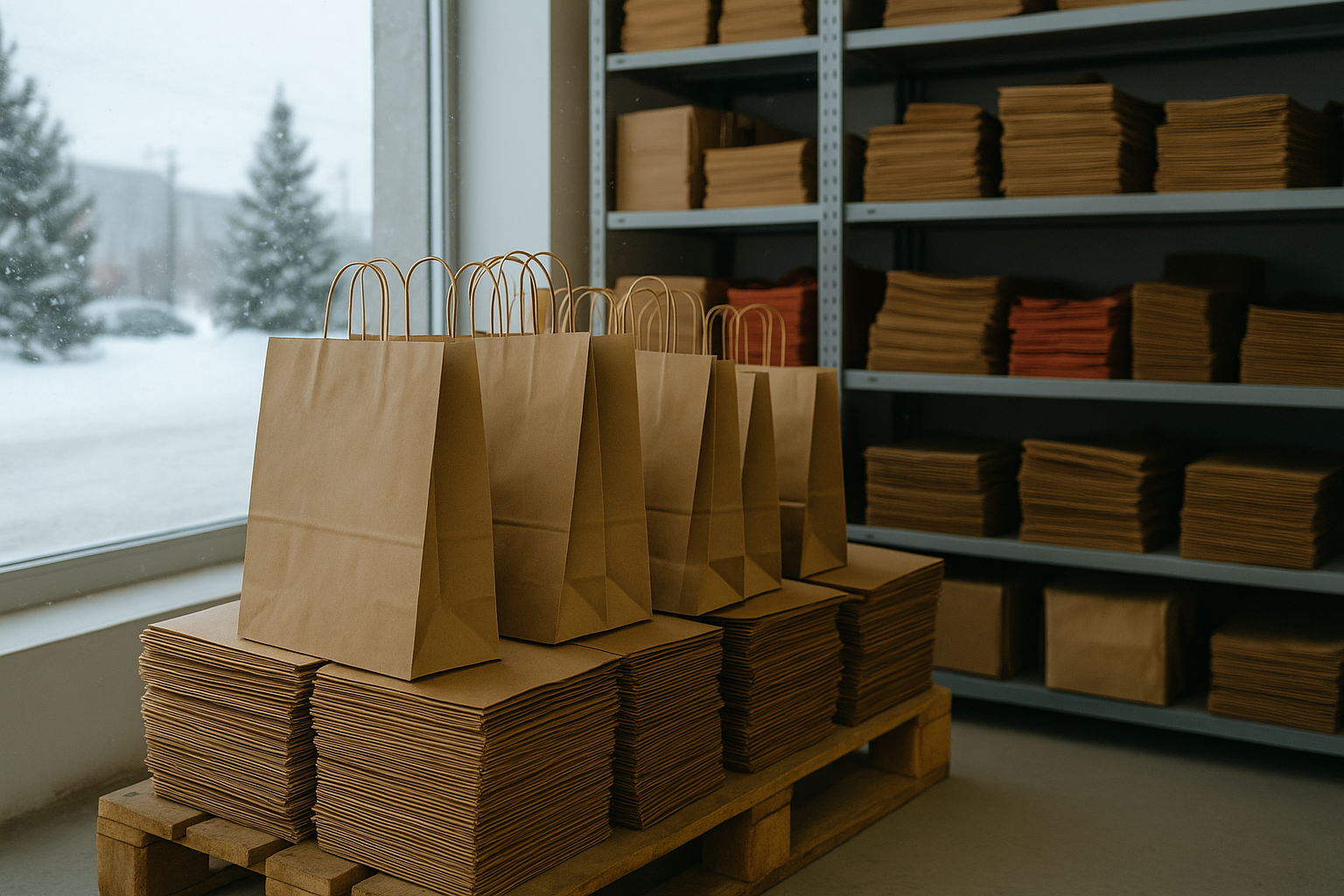
- Limited Storage Space Wholesale quantities take up significant space. This can be a challenge if you operate from a small store, office, or home-based setup.
- Overstock and Waste Risks Trends change quickly. If your product line or branding evolves, leftover packaging may become unusable—leading to unnecessary waste and financial loss.
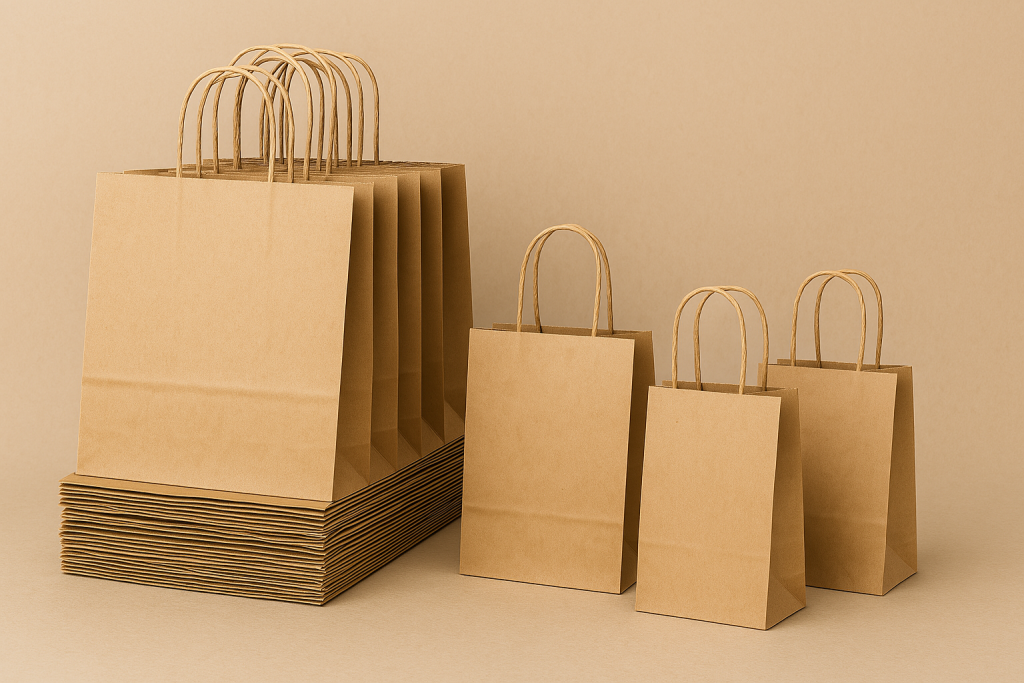
4. Advantages of Small or On-Demand Orders
- Flexibility With smaller orders, you can quickly adapt to your business needs. This includes testing new designs, reacting to seasonal demand, or growing your packaging supply step by step.
- Lower Financial Risk Spending less per order helps preserve your cash flow. This is especially helpful if your sales fluctuate or your business is still growing.
- Minimal Storage Requirements Smaller orders take up less space, which reduces logistical stress—perfect for businesses operating out of small locations.
5. Limitations Of Small Orders
- Higher Unit Cost The downside to flexibility is cost. When you order small quantities, you often miss out on volume discounts. Over time, this can reduce your profit margins.
- Inconsistent Availability If your supplier doesn’t have enough stock or faces delays, you might not get your bags in time—particularly if your order is last-minute.
6. What to Consider Before Choosing
Before committing to either strategy, ask yourself:- How many bags do you use monthly?
- Do you have space for storage?
- Is your branding consistent or evolving?
- Can you afford a large upfront investment?
- Are you planning events, promotions, or seasonal launches?
- Is your supplier local or international?
7. The Hybrid Approach
Many businesses find that a blended model works best. They order wholesale for high-volume, evergreen bag types (like branded paper bags or eco-totes). At the same time, they use small orders for limited editions or seasonal variations. This approach combines the savings of bulk purchasing with the adaptability of small-batch packaging. It helps you reduce costs while maintaining creative freedom and production flexibility.Conclusion: Find the Right Fit with Emballage EDR
Choosing between wholesale bags and small orders ultimately depends on your business goals, capacity, and branding strategy. It’s not just about price—it’s about how your packaging supports your operations and communicates your brand. At EDR Packaging, we help you make the smartest choice for your packaging needs. As a family business and a Quebec leader in personalized bag solutions for over 20 years, we provide end-to-end support, from design to delivery. Whether you’re ordering in bulk or prefer more flexible runs, we give you direct access to the most efficient factories—with no middlemen and no surprises. The result? Durable, eco-friendly packaging that reflects your brand and respects your budget. With Emballage EDR, the deal is in the bag.More Blog Articles

2025 Review: The Impact of Custom Bags on Brand Visibility
L’année 2025 a marqué un tournant important dans les stratégies de visibilité des entreprises. Alors…
Read more

Custom Bags Trends and Sustainable Packaging in 2026
As companies get ready for the coming year, new custom bag trends for 2026 are…
Read more
The Personalized Christmas bag , a symbol of festive identity.
As the holiday season approaches, businesses look for meaningful ways to delight customers and stand…
Read more